Chemical Properties of Plating
What Are Chemical Properties?
Chemical properties are characteristics that control how a material reacts to its surrounding chemical environment, either protecting the base material or promoting specific reactions. This article covers four key properties that determine product performance: corrosion resistance, chemical resistance, biocompatibility, and solderability.
Corrosion Resistance
This property protects the base material from acids, salt water, and moisture, with endurance time in salt spray testing serving as a common selection criterion. In high-corrosion-risk environments such as marine equipment and automotive parts, plating with excellent corrosion resistance contributes to longer component life. Typical examples include zinc, zinc-nickel alloy, and electroless nickel.
Chemical Resistance
This property provides durability that resists degradation and dissolution even when exposed to chemicals. It supports the stable operation of chemical plants and semiconductor equipment that use acids and organic solvents. It requires a different approach from general corrosion protection, and PTFE-nickel, hard chrome plating, and gold plating are well suited.
Biocompatibility
The safety to prevent adverse reactions such as allergies and rejection upon contact with the human body is an essential requirement for medical devices such as surgical instruments and implants. Gold, platinum, and passivated stainless steel perform well in this regard, and compliance with ISO 10993 is also achievable.
Solderability
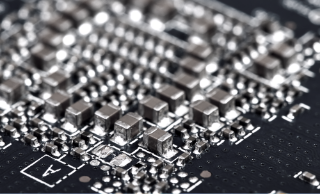
This property ensures that solder wets and spreads uniformly to form strong joints. It is critical in electronic component assembly processes, such as printed circuit boards, to prevent electrical connection failures. Recommended finishes such as tin, tin-silver alloy, and gold flash require strict storage management to prevent performance degradation caused by surface oxidation.
Comparison of Properties
The table below summarizes the benefits, typical applications, and recommended plating types for each property. Use it as a reference when defining your requirements.
| Property | Key Benefits | Typical Applications | Recommended Plating |
|---|---|---|---|
| Corrosion resistance | Prevents corrosion from acids, salt water, and moisture | Automotive parts, marine equipment | Zinc, zinc-nickel, electroless nickel |
| Chemical resistance | Prevents degradation and dissolution caused by chemicals | Chemical plants, semiconductor equipment | PTFE-nickel, hard chrome plating, gold |
| Biocompatibility | Prevents rejection and toxicity in the body | Surgical instruments, implants | Gold, platinum, passivation |
| Solderability | Improves solder wettability and joint strength | Circuit boards, connector terminals | Tin, tin-silver alloy, gold flash |
Same Material, Different Results: Not Every Company Can Deliver the Right Plating Process
Even when the same material or plating type is specified on paper, whether the resulting quality can withstand harsh chemical environments depends on the process control capabilities of the plating company. Functional plating demands a deep understanding of chemical properties, including data management for biocompatibility certification and know-how in oxidation prevention treatments.
It is essential to select a company with a proven process control system and track record, not just favorable specifications. This site has compiled the capabilities and quality control systems of various companies, which you can use to narrow down suppliers that match your requirements.
Functional Plating Services
by Industry
and Component Type
Semiconductor Components
“We need a shop for difficult plating others declined.”
Japan, est. 1931
- Precious Metal Plating
for Micro Components - Mitsuya supports uniform precious metal plating on parts down to 0.1 mm in diameter. This can help improve precision and durability in semiconductor inspection equipment.
- High-Adhesion Plating
for Tips and Contacts - Mitsuya has developed an in-house process for titanium and tungsten that does not require heat treatment. It can support high-adhesion plating on pin and card contact areas.
- Support for New Product Development
- Engineers can consult Mitsuya before semiconductor IC specifications are finalized and verify performance through prototypes. This can help reduce development risk and rework costs.
- Electronics and Telecommunications
- Semiconductor Inspection Equipment
- Space Development
Automotive Components
“We need 10 million parts delivered on time, every time.”
U.S., est. 1932

- Consistent Quality and
Lead Times at Volume - Greystone has an annual mass-production record of 130 million automotive parts*1 through machining and plating.
- Single-Source Support from Processing through Plating
- Machining and plating are completed within the same group. Fewer delays between processes can help reduce costs.
- Quality Standards
Automakers Trust - All U.S. locations are IATF 16949 certified, with plating process control that meets OEM quality standards.
- Automotive
- Firearms
Aircraft
Components
“Nadcap is required. We need proven certification experience.”
U.S., est. 1960

- Smoother Approval
from Major Primes - An approved supplier to Boeing, Lockheed Martin, and others, with more than 80 Nadcap-accredited processes.
- Aerospace & Defense Work on a Certification-First Basis
- Proven across a wide range of mission-critical components, including missiles and fighter aircraft.
- Meets Defense Standards, Even the Strictest
- Its cadmium-replacement zinc-nickel plating won a 2020 Secretary of Defense Environmental Award and has been used on the F-35*2.
- Aerospace and Defense
- Medical Devices
*2 Source: Anoplate official website https://www.anoplate.com/news-and-events/zinc-nickel-plating-highlights-2020-secretary-of-defense-environmental-award/