Applications of Functional Plating
Functional plating is used to maintain component performance in high-temperature, high-pressure, and highly corrosive environments. Required corrosion resistance, hardness, conductivity, and biocompatibility vary by application. In the aerospace, medical, and defense industries, meeting applicable standards and certification requirements is also essential.
What Are the Applications of Functional Plating?
Unlike decorative plating, which enhances appearance, functional plating is a surface treatment that gives components specific functional properties, such as corrosion resistance, wear resistance, and electrical conductivity. In the aerospace, medical, and defense industries, it is used for purposes such as preventing corrosion, reducing wear, and improving the reliability of electrical connections.
Properties and Requirements for Key Applications
Plating for Extreme Environments
It is used for aircraft turbines, oilfield drilling bits, nuclear reactor components, and other equipment operating in environments involving high temperatures, high pressures, corrosive gases, and severe wear. Hard chrome plating and nickel alloy plating are commonly used, and designs must meet specific numerical criteria, such as maximum operating temperature and pressure resistance.
Biocompatible Plating for Medical Use
For medical applications, biocompatibility, resistance to sterilization, and corrosion resistance must be evaluated based on the contact site and duration of contact. Gold and platinum plating are sometimes used, but material selection should be based on safety evaluations such as ISO 10993 and applicable national regulations. Nickel, which carries risks such as metal-ion leaching, is also carefully evaluated for use in body-contact applications based on the results of metal ion release testing and other relevant evaluations.
Comparison Table of Plating Types by Application
| Field | Recommended Plating | Plating to Avoid | Key Standards |
|---|---|---|---|
| Extreme environments | Hard chrome, electroless nickel | Plating that is prone to softening or oxidation at operating temperatures | API, NACE |
| Medical | Gold, platinum, titanium | Nickel, cadmium | ISO 10993, FDA |
| Aerospace | Nickel alloys, hard chrome | Cadmium (regulated) | AS9100, AMS2404, etc. |
| Defense | Electroless nickel, palladium | Highly reflective plating | MIL-SPEC |
| Petrochemical | High-phosphorus electroless nickel | Plating with a high risk of corrosion in chloride-rich or acidic environments | API, ASTM |
Plating Requirements by Condition (Performance Criteria)
For each application, plating is designed to meet the following numerical criteria.
- Heat resistance: Maintain oxidation resistance and heat resistance in high-temperature environments such as aircraft engines.
- Corrosion resistance: Ensure resistance to corrosion, as verified through salt spray testing and similar methods.
- Hardness: Maintain high hardness and ensure wear resistance even under harsh operating conditions, such as those encountered by drilling components.
- Biocompatibility: Meet ISO 10993 and other applicable criteria for cytotoxicity and sensitization.
Application Examples by Industry
- Aerospace: landing gear (alloy plating as an alternative to hard chrome)
- Medical: pacemaker electrodes (gold plating)
- Defense: firearm parts and specialty connectors (electroless nickel)
- Oil and gas: subsea drilling valves (high-phosphorus electroless nickel)
- Space: satellite components and propulsion system components (heat-resistant nickel alloy plating)
Regulatory and Certification Requirements
To meet the requirements of each industry, compliance with the following certifications and standards is required.
- Medical: ISO 10993, FDA 21 CFR
- Aerospace: AS9100, Nadcap(special process accreditation)
- Defense: MIL-SPEC
- Environmental compliance: RoHS Directive and REACH Regulation (restriction of hazardous substances)
Frequently Asked Questions (FAQ)
Q. Can nickel plating be used in medical devices?
A. Yes, it can be used in medical devices. Nickel plating is widely used in external medical devices. For body-contact applications, including implants, careful evaluation based on the contact site and contact duration is required because of risks such as allergic reactions and metal-ion leaching. Suitability for each application is determined based on safety evaluations such as ISO 10993 and the results of metal ion release testing.
Q. Which plating is suitable for high-temperature, high-pressure, and other extreme environments?
A. Hard chrome plating, which provides excellent wear resistance, and high-phosphorus electroless nickel alloy plating, which combines corrosion resistance and heat resistance, are suitable options.
Q. How do RoHS and REACH regulations affect plating selection?
A. The use of hazardous substances such as hexavalent chromium, lead, and cadmium is strictly restricted, making the transition to alternative plating technologies that comply with applicable standards essential.
Functional Plating Services
by Industry
and Component Type
Semiconductor Components
“We need a shop for difficult plating others declined.”
Japan, est. 1931
- Precious Metal Plating
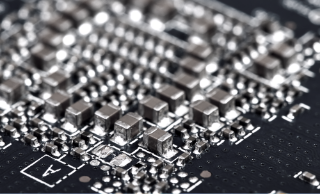
for Micro Components - Mitsuya supports uniform precious metal plating on parts down to 0.1 mm in diameter. This can help improve precision and durability in semiconductor inspection equipment.
- High-Adhesion Plating
for Tips and Contacts - Mitsuya has developed an in-house process for titanium and tungsten that does not require heat treatment. It can support high-adhesion plating on pin and card contact areas.
- Support for New Product Development
- Engineers can consult Mitsuya before semiconductor IC specifications are finalized and verify performance through prototypes. This can help reduce development risk and rework costs.
- Electronics and Telecommunications
- Semiconductor Inspection Equipment
- Space Development
Automotive Components
“We need 10 million parts delivered on time, every time.”
U.S., est. 1932

- Consistent Quality and
Lead Times at Volume - Greystone has an annual mass-production record of 130 million automotive parts*1 through machining and plating.
- Single-Source Support from Processing through Plating
- Machining and plating are completed within the same group. Fewer delays between processes can help reduce costs.
- Quality Standards
Automakers Trust - All U.S. locations are IATF 16949 certified, with plating process control that meets OEM quality standards.
- Automotive
- Firearms
Aircraft
Components
“Nadcap is required. We need proven certification experience.”
U.S., est. 1960

- Smoother Approval
from Major Primes - An approved supplier to Boeing, Lockheed Martin, and others, with more than 80 Nadcap-accredited processes.
- Aerospace & Defense Work on a Certification-First Basis
- Proven across a wide range of mission-critical components, including missiles and fighter aircraft.
- Meets Defense Standards, Even the Strictest
- Its cadmium-replacement zinc-nickel plating won a 2020 Secretary of Defense Environmental Award and has been used on the F-35*2.
- Aerospace and Defense
- Medical Devices
*2 Source: Anoplate official website https://www.anoplate.com/news-and-events/zinc-nickel-plating-highlights-2020-secretary-of-defense-environmental-award/