Functional Plating Properties
Functional plating properties are critical factors affecting product reliability and service life. By selecting the appropriate materials and processes, engineers can design components that withstand harsh environments.
What Are Functional Plating Properties?
Unlike decorative plating, which is intended to enhance appearance, functional plating is designed to impart specific physical and chemical properties to components. It imparts conductivity, wear resistance, and corrosion resistance to meet design requirements and improve product performance.
Types of Functional Plating Properties
This section explains the key functional plating properties.
Mechanical Properties
These include hardness, wear resistance, lubricity, ductility, and adhesion strength. They are important for extending the service life of components exposed to continuous friction and physical loads. Hard chrome plating for tools and sliding parts is a typical example of these properties in use.
Thermal Properties
These include heat resistance, thermal conductivity, and resistance to delamination under thermal cycling. They help ensure dimensional stability and heat dissipation in high-temperature environments. Nickel alloy plating for jet engine components is a typical example of plating required for severe thermal conditions in aerospace applications.
Chemical Properties
These include corrosion resistance, chemical resistance, and biocompatibility. They protect the substrate from corrosive gases and chemicals, helping maintain long-term stability. They are essential for marine equipment, chemical processing plants, and medical devices such as implants.
Optical Properties
These include high reflectance, light absorption, and secondary decorative effects. They are used to reflect or absorb light at specific wavelengths and improve the optical performance of equipment. Examples include reflectors for lighting equipment and black plating for stray-light prevention in sensor devices.
Electrical Properties
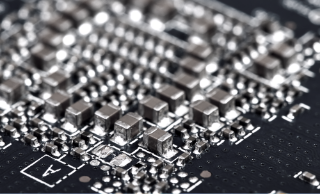
These include electrical conductivity, low contact resistance, electromagnetic shielding, and high-frequency characteristics. They help prevent signal transmission loss and support the stable operation of electronic devices. Gold and tin plating for printed circuit boards and connector terminals are typical examples.
Property Comparison Table by Plating Type
The following matrix summarizes the relative strengths of each plating type across these properties for use in design comparisons.
| Type | Mechanical | Thermal | Chemical | Optical | Electrical |
|---|---|---|---|---|---|
| Nickel | Good | Good | Good | Minimal | Minimal |
| Chrome | Excellent | Good | Good | Minimal | Minimal |
| Gold Plating | Minimal | Minimal | Good | Good | Excellent |
| Tin | Minimal | Minimal | Good | Minimal | Good |
| Copper | Minimal | Excellent | Limited (*) | Minimal | Excellent |
* When used alone, it is susceptible to discoloration and corrosion. It is often used as underplating or to improve electrical conductivity.
Plating Selection Guide by Application
This guide outlines the recommended plating properties based on industry-specific design requirements.
- Aerospace: heat resistance and weight reduction
- Automotive: wear resistance and corrosion resistance
- Electronics: electrical conductivity and solderability
- Medical: biocompatibility and corrosion resistance
- Defense: electromagnetic shielding and resistance to environmental conditions
Test Methods and Industry Standards
The key tests and standards used to objectively evaluate these properties are listed below.
- Vickers Hardness Test
- ASTM B117(Salt Spray Test)
- MIL-SPEC, ISO, and ASTM standards
Frequently Asked Questions (FAQ)
What is the difference between functional plating and decorative plating?
Decorative plating is used to improve appearance, while functional plating is used to impart physical and chemical properties.
How does plating thickness affect properties?
A thicker coating improves corrosion resistance, but it may increase internal stress.
What standards are used to evaluate plating properties?
Depending on the application, applicable references may include ASTM, ISO, MIL, and AMS standards, as well as customer-specific specifications. The applicable standards should be confirmed for each industry and component application.
Functional Plating Services
by Industry
and Component Type
Semiconductor Components
“We need a shop for difficult plating others declined.”
Japan, est. 1931
- Precious Metal Plating
for Micro Components - Mitsuya supports uniform precious metal plating on parts down to 0.1 mm in diameter. This can help improve precision and durability in semiconductor inspection equipment.
- High-Adhesion Plating
for Tips and Contacts - Mitsuya has developed an in-house process for titanium and tungsten that does not require heat treatment. It can support high-adhesion plating on pin and card contact areas.
- Support for New Product Development
- Engineers can consult Mitsuya before semiconductor IC specifications are finalized and verify performance through prototypes. This can help reduce development risk and rework costs.
- Electronics and Telecommunications
- Semiconductor Inspection Equipment
- Space Development
Automotive Components
“We need 10 million parts delivered on time, every time.”
U.S., est. 1932

- Consistent Quality and
Lead Times at Volume - Greystone has an annual mass-production record of 130 million automotive parts*1 through machining and plating.
- Single-Source Support from Processing through Plating
- Machining and plating are completed within the same group. Fewer delays between processes can help reduce costs.
- Quality Standards
Automakers Trust - All U.S. locations are IATF 16949 certified, with plating process control that meets OEM quality standards.
- Automotive
- Firearms
Aircraft
Components
“Nadcap is required. We need proven certification experience.”
U.S., est. 1960

- Smoother Approval
from Major Primes - An approved supplier to Boeing, Lockheed Martin, and others, with more than 80 Nadcap-accredited processes.
- Aerospace & Defense Work on a Certification-First Basis
- Proven across a wide range of mission-critical components, including missiles and fighter aircraft.
- Meets Defense Standards, Even the Strictest
- Its cadmium-replacement zinc-nickel plating won a 2020 Secretary of Defense Environmental Award and has been used on the F-35*2.
- Aerospace and Defense
- Medical Devices
*2 Source: Anoplate official website https://www.anoplate.com/news-and-events/zinc-nickel-plating-highlights-2020-secretary-of-defense-environmental-award/