Nickel Plating
Nickel plating is used to improve surface properties and prepare metal parts for further finishing. The right process depends on the application, required coating characteristics, part geometry, and production requirements.
Basic Properties of Nickel Plating
Nickel plating provides corrosion resistance, hardness, and wear resistance, depending on the deposit and process. It can also serve as an underplate beneath gold or silver, acting as a diffusion barrier.
Electroless nickel produces uniform coating thickness on complex shapes and in deep holes, making it suitable for parts with intricate geometries. Its hardness can increase through heat treatment, depending on phosphorus content.
When selecting a process for a specific application, coating properties, dimensional accuracy, and the required performance of the finished part should all be considered.
Main Applications and Industries Served
Electronics and Connector Manufacturing
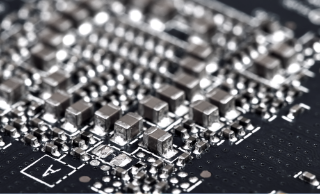
Nickel can serve as an underplate beneath gold or silver, acting as a diffusion barrier. Plating is also used in electronic components and precision contacts. For these applications, the coating system should reflect the component's intended function and the requirements of the finished part.
Industrial Machinery and Tool Manufacturing
Nickel plating is used for applications requiring wear resistance, corrosion resistance, or dimensional accuracy. Electroless nickel is particularly suitable for sliding components and tools when hardness and uniform coating thickness are important. Process selection depends on the required properties and operating environment.
Mold and Die Manufacturing
Electroless nickel can coat complex geometries and recessed surfaces uniformly. Its coating thickness and hardness make it relevant to precision applications. The required dimensions, surface condition, and coating properties should be considered when selecting a plating process.
Types of Nickel Plating and Selection Guidelines
| Type (Bath / Finish) | Properties | Typical Applications |
|---|---|---|
| Electroless Nickel – Low Phosphorus | High hardness and wear resistance. | Sliding components and tools. |
| Electroless Nickel – Medium Phosphorus | Balanced properties and versatility. | Automotive components and precision machinery. |
| Electroless Nickel – High Phosphorus | High corrosion resistance. | Aerospace components and medical devices. |
| Bright Nickel | Bright appearance; ductility can differ from that of other nickel deposits. | Applications requiring a bright finish. |
| Semi-Bright or Matte Nickel | Alternative deposit finishes for different appearance and functional requirements. | Applications selected according to the required finish. |
| Low-Stress Nickel | A deposit option for applications where internal stress is a consideration. | Applications requiring low-stress nickel deposits. |
Quality and Technical Requirements for Nickel Plating
Proper substrate pretreatment is essential for reliable coating adhesion. Coating thickness should be measured at multiple points to assess uniformity, especially on complex parts. Heat treatment may affect the hardness of the deposit. Before production, confirm the required coating properties, dimensional tolerances, inspection methods, and applicable industry standards to ensure that the finished coating meets the intended application requirements.
Key Points When Requesting Industrial Nickel Plating Services
When requesting a quotation, provide the substrate material, part shape and dimensions, and drawings where available. Specify the required coating type and thickness, along with the operating environment, including temperature, chemical exposure, and sliding conditions. Confirm whether heat treatment is required and identify applicable industry standards and certification requirements.
Before choosing a supplier, verify that it offers the required plating process and can handle the component's geometry and production volume. Review its experience with similar parts, pretreatment capabilities, coating-thickness control, and inspection procedures. For zinc-nickel plating, specify the complete coating system and required corrosion-testing criteria to ensure the finish meets the application's requirements.
Companies Offering Industrial Nickel Plating Services
Mitsuya
Mitsuya provides precision plating for semiconductor, electronic, and aerospace applications. Its published capabilities include uniform precious-metal plating on microcomponents approximately 0.1 mm in diameter, high-adhesion plating for difficult substrates, and prototype support during product development. These capabilities may be relevant for projects requiring precision and specialized plating solutions.
SPC (Sharretts Plating Company)
SPC provides functional plating for aerospace, medical, and electronic components. Its services include plating technology development for difficult substrates and support for prototypes and small production lots. The company also offers precision assembly, kitting, and packaging, providing additional support for projects that require more than plating alone.
Advanced Plating
Advanced Plating provides electroplating and surface finishing for automotive restoration, architectural fixtures, and music-industry components. Its services include stripping, surface repair, copper buildup, and polishing before the final plated finish. These preparatory operations support projects where the condition of the original surface is an important consideration.
Lake City Plating LLC
Lake City Plating serves automotive and industrial equipment applications. Its published approach combines automated equipment with data-driven process control to help maintain consistent quality, reduce variation, and support reliable delivery schedules. Customers should discuss their component specifications and production requirements with the company to determine whether its capabilities are suitable.
Precious Plate
Precious Plate specializes in precision plating for electronic components. Its selective-plating technology deposits precious metals only on required contact areas, helping reduce unnecessary material use while supporting high-precision production. For components with defined contact regions, customers can confirm whether the company's selective-plating capabilities match their design and manufacturing requirements.
VERBRUGGE
VERBRUGGE provides technical surface treatment, with a focus on electroless nickel plating. Its services cover complex and sensitive metal parts as well as small and large production runs. Customers should confirm the required coating properties, component specifications, and delivery arrangements with the company before proceeding with a plating project.
J&M Plating, Inc.
J&M Plating provides post-manufacturing services for fasteners, combining electroplating with heat treatment, coatings, and sorting. Its listed finishing processes include zinc and zinc-nickel electroplating. Because zinc-nickel plating differs from conventional nickel plating, customers should confirm which process is appropriate for their component and performance requirements.
Five Star Plating, LLC
Five Star Plating provides metal finishing services alongside anodizing and paint-based finishes. Its listed capabilities include electroless nickel plating for holes, internal surfaces, and threads, as well as masking services for selected areas. These capabilities may be relevant for components that require coating in specific locations or on complex internal surfaces.
American Plating Company
American Plating Company serves commercial and industrial customers with rack and barrel plating. Its applications include electrical power conductors, lighting components, and precision tools. Customers considering the company for a nickel-plating project should confirm the specific process available and whether it meets the component's coating and production requirements.
Technical Plating Inc
Technical Plating provides component finishing and reel-to-reel plating. Its listed nickel processes include low-, medium-, and high-phosphorus electroless nickel and black nickel. The company also processes steel, aluminum, and copper substrates. Customers can discuss their substrate material and desired coating properties to identify a suitable process.
Northeast Metal Works, LLC
Northeast Metal Works provides zinc-nickel barrel plating for commercial production, including fasteners and small components. Its services also include salt-spray testing. Since zinc-nickel plating is distinct from conventional nickel plating, customers should confirm the coating type and corrosion-testing criteria required for their application before requesting a quotation.
Klein Plating Works, Inc.
Klein Plating Works offers bright, semi-bright, matte, and low-stress nickel deposits. Its published information also describes nickel as an underplate beneath gold and silver, where it acts as a diffusion barrier. Customers evaluating nickel finishes can discuss the required deposit type and the role of the nickel layer in the overall coating system.
Perfection Plating, Inc.
Perfection Plating provides finishing for electronic and manufactured components. Its capabilities include continuous-strip and loose-part processing, with selective plating for defined areas. Customers considering the company for nickel plating should confirm the available nickel processes, the required coating structure, and whether the chosen processing method is suitable for their component design.
3 Recommended
Functional Plating Services
by Industry
and Component Type
Advertiser Disclosure:
We receive compensation from some of the companies listed below.This compensation may affect which companies are included and the order in which they appear.
Semiconductor Components
“We need a shop for difficult plating others declined.”
Japan, est. 1931
- Precious Metal Plating
for Micro Components - Mitsuya supports uniform precious metal plating on parts down to 0.1 mm in diameter. This can help improve precision and durability in semiconductor inspection equipment.
- High-Adhesion Plating
for Tips and Contacts - Mitsuya has developed an in-house process for titanium and tungsten that does not require heat treatment. It can support high-adhesion plating on pin and card contact areas.
- Support for New Product Development
- Engineers can consult Mitsuya before semiconductor IC specifications are finalized and verify performance through prototypes. This can help reduce development risk and rework costs.
- Electronics and Telecommunications
- Semiconductor Inspection Equipment
- Space Development
Automotive Components
“We need 10 million parts delivered on time, every time.”
U.S., est. 1932

- Consistent Quality and
Lead Times at Volume - Greystone has an annual mass-production record of 130 million automotive parts*1 through machining and plating.
- Single-Source Support from Processing through Plating
- Machining and plating are completed within the same group. Fewer delays between processes can help reduce costs.
- Quality Standards
Automakers Trust - All U.S. locations are IATF 16949 certified, with plating process control that meets OEM quality standards.
- Automotive
- Firearms
Aircraft
Components
“Nadcap is required. We need proven certification experience.”
U.S., est. 1960

- Smoother Approval
from Major Primes - An approved supplier to Boeing, Lockheed Martin, and others, with more than 80 Nadcap-accredited processes.
- Aerospace & Defense Work on a Certification-First Basis
- Proven across a wide range of mission-critical components, including missiles and fighter aircraft.
- Meets Defense Standards, Even the Strictest
- Its cadmium-replacement zinc-nickel plating won a 2020 Secretary of Defense Environmental Award and has been used on the F-35*2.
- Aerospace and Defense
- Medical Devices
*2 Source: Anoplate official website https://www.anoplate.com/news-and-events/zinc-nickel-plating-highlights-2020-secretary-of-defense-environmental-award/